If you've never heard the term “orofacial myofunctional therapy,” you're not alone. Most patients haven't, until Dr. Kaplan or Dr. Krishnan mentions it in connection with a tongue thrust, a mouth-breathing habit, or a lingering speech concern that doesn't seem to have an obvious cause.
What is orofacial myofunctional therapy, exactly? At Shrewsbury Dental Associates, we think it's worth a clear explanation, because once patients understand it, the benefits tend to make a lot of sense.
Orofacial myofunctional therapy, or OMT, is an exercise-based approach to retraining the muscles of the face, mouth, and tongue. It's less like a dental treatment and more like physical therapy. But instead of working on a shoulder or a knee, it's working on the muscles that control how you breathe, swallow, and hold your mouth at rest.
Most people never think about these patterns because they happen automatically, hundreds to thousands of times a day. But when the underlying muscle function isn't quite right—when the tongue rests too low, the lips don't seal naturally, or breathing defaults to the mouth instead of the nose—it can affect everything from oral development to sleep quality.
Every personalized myofunctional therapy plan is built around the same four foundational goals:
1. Correct swallowing pattern. A healthy swallow involves the tongue pressing against the roof of the mouth. An atypical pattern, often called a tongue thrust, pushes the tongue forward against or between the teeth instead, which can affect alignment over time.
2. Proper tongue posture. At rest, the tongue should sit against the palate, not low in the mouth or pressed against the teeth. This resting position can affect your jaw and facial development.
3. A natural lip seal. Lips that rest comfortably closed signal that the surrounding muscles are functioning well and that the airway is doing its job.
4. Consistent nasal breathing. The body is designed to breathe through the nose, not the mouth. Nasal breathing filters and humidifies air, supports oxygen levels, and contributes to better sleep.
These four goals work together. A patient with one of these patterns often has more than one, which is exactly why OMT takes a whole-mouth approach rather than addressing symptoms one at a time.
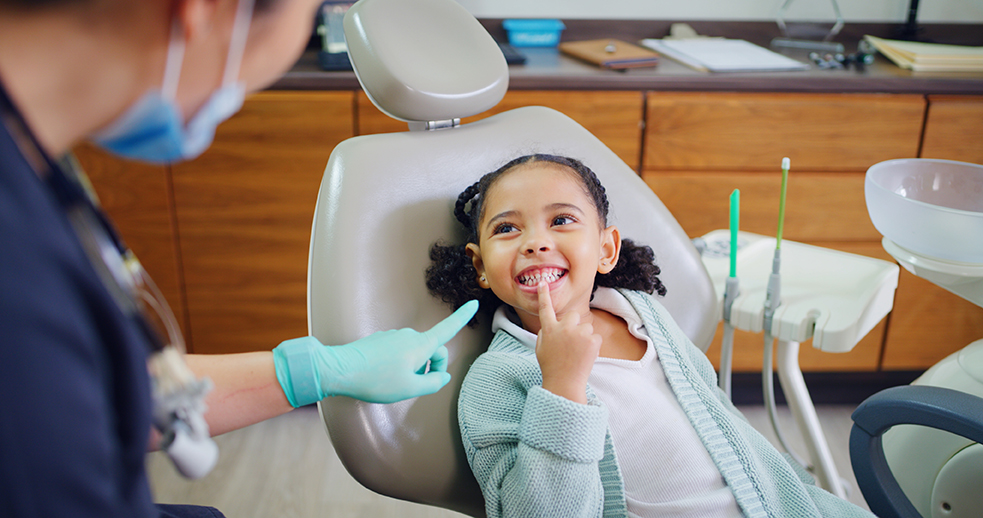
OMT isn't only for children, although it's frequently recommended for kids dealing with speech clarity issues, prolonged thumb-sucking, tongue thrust, or mouth breathing. Adults benefit just as often, sometimes from habits that have been in place for decades without anyone addressing the underlying cause.
One meaningful application of OMT is supporting patients with sleep disorders, including obstructive sleep apnea. The connection comes back to those same four goals. Weak tongue posture and poor muscle tone in the airway can contribute to the airway collapsing or narrowing during sleep, while chronic mouth breathing often worsens snoring and disrupts restful sleep altogether.
OMT isn't a replacement for a CPAP machine or other medical treatment when those are necessary, but it can be a valuable complement. By strengthening and retraining the muscles of the tongue, throat, and airway, therapy can help reduce airway collapsibility and support better breathing patterns during sleep.
With over 12 years of clinical experience, Erin Britt, RDH, is our myofunctional therapist at Shrewsbury Dental Associates. Erin is an expert in airway health and its connection to overall wellness. She works closely with Dr. Kaplan, Dr. Krishnan, and our team to develop therapy plans that meet each patient's needs, bringing a warm, patient-centered approach to every session.
During an initial visit, Erin reviews you or your child's specific concerns and develops a personalized treatment plan based on them. From there, regular sessions guide you through targeted exercises, with progress tracked along the way. You'll also leave with exercises to practice at home between visits, since consistency is what makes the muscle retraining stick!
If you're ever asked, "What is orofacial myofunctional therapy?" now you know the answer! Our team at our Shrewsbury office is happy to walk you through whether OMT will benefit you or your child. We're proud to offer this specialized care close to home for patients throughout Southern York County.
Contact us today to learn more or schedule a consultation.